• Tune In, Drill Down: A Winter Segment on Tungsten Ice Jigs

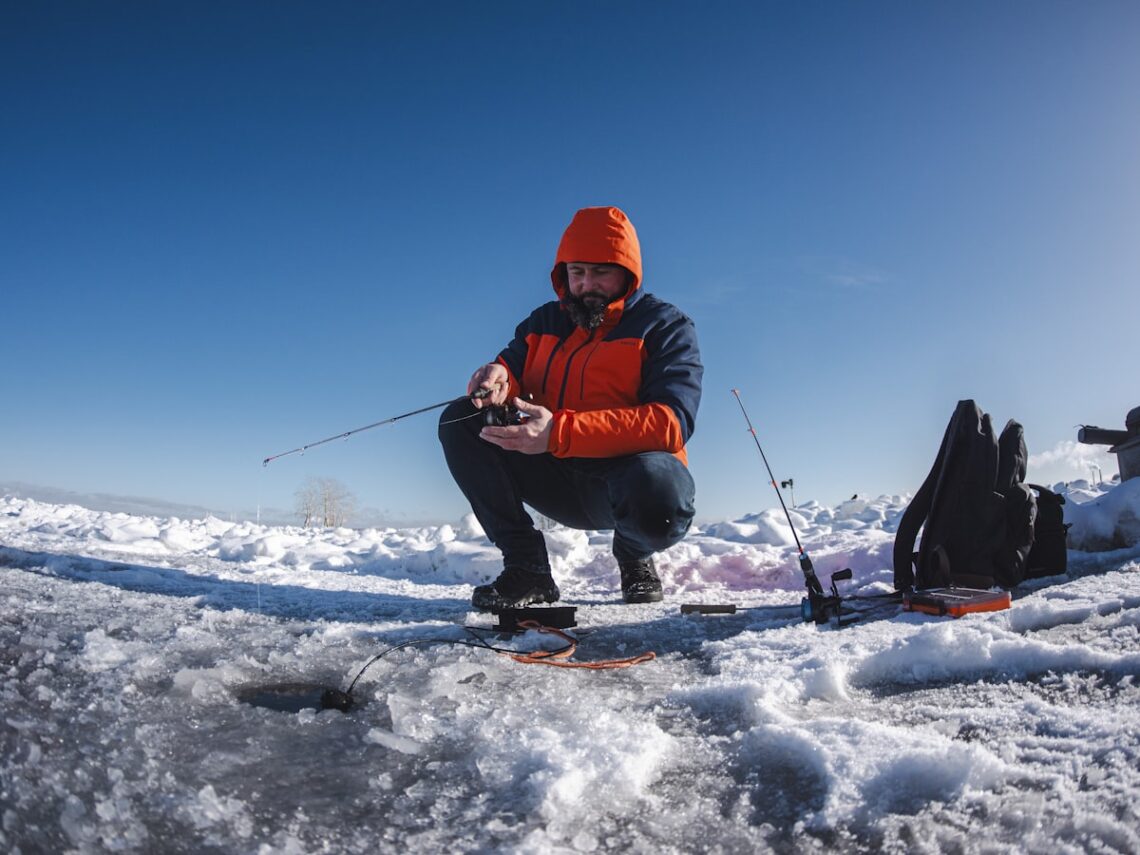
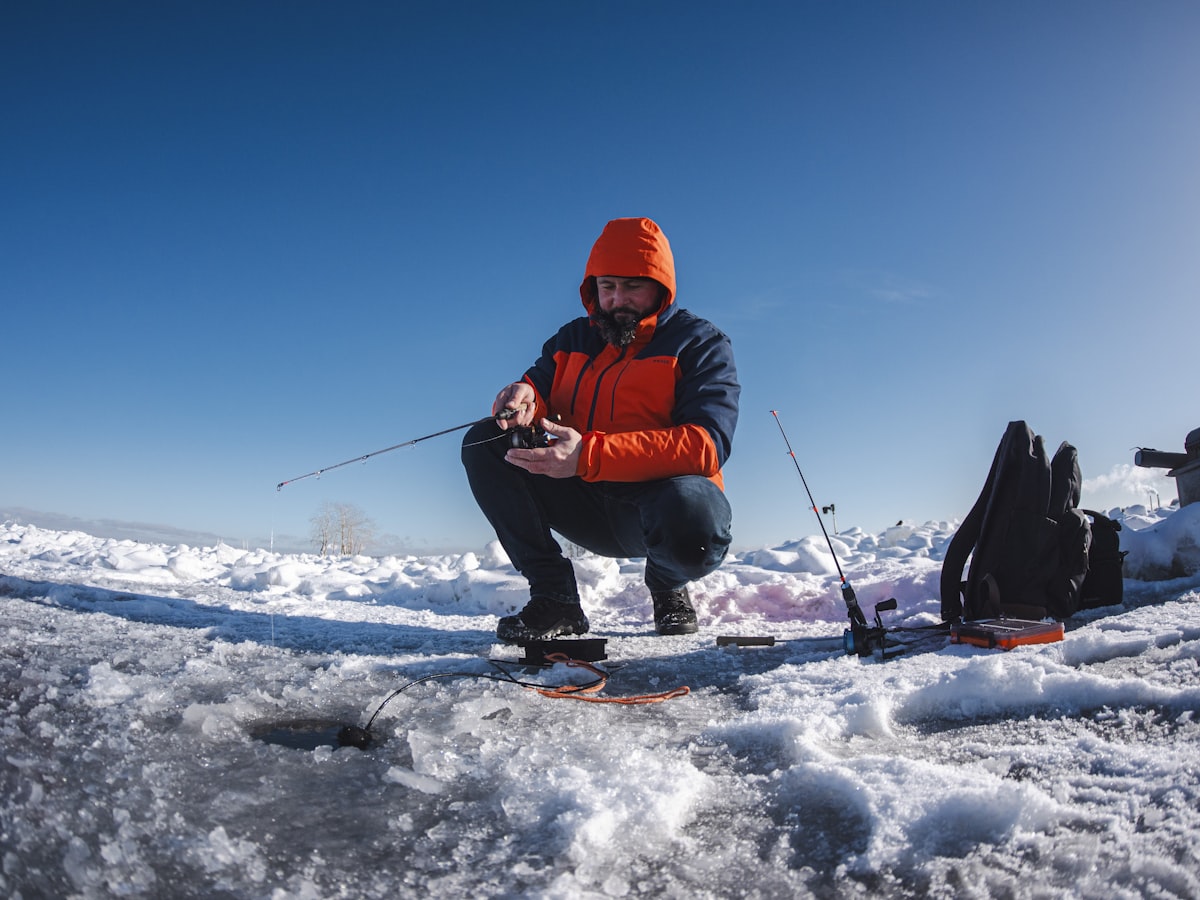
    An angler ice fishing on a frozen lake

    Community radio is really about the small, local things worth talking about — the hobbies, the seasons, and the stuff neighbors actually get up to. And when the lakes lock up for winter, one of those things is ice fishing. If we were cutting a winter outdoors segment, we would open with a piece of tackle that punches far above its tiny size: the tungsten jig.

    What Makes Tungsten Different

    The whole story is density. Tungsten is nearly twice as heavy as lead for the same size, which means a tungsten jig can be dramatically smaller while still carrying enough weight to fish well. That small profile matters under the ice, where finicky panfish are keying on tiny insects. You get the compact look of a natural bug with the sink rate and feel of a much larger jig.

    Why Panfish Anglers Swear By Them
    Ice fishing gear set up on the ice

    Three advantages stack up fast. The small silhouette fools pressured crappie and bluegill that ignore bulkier baits. The fast drop gets you back down to a school before the fish scatter. And because tungsten is so dense, it transmits the faintest bite straight up the line to your hand. A well-stocked box of tungsten jigs in a few sizes and colors covers most of what a hard-water day will throw at you.

    Watch: ice fishing panfish with tungsten jigs
    Watch: Tips for Ice Fishing Panfish with Tungsten Jigs — Wired2Fish (YouTube)

    Rigging and Working Them

    Keep it light and sensitive. Two- to four-pound line, a limber rod, and a spring bobber or sensitive tip let the jig do its subtle work. Tip it with a wax worm, spike, or a small soft plastic, then jig gently — tiny lifts, quivers, and long pauses. Most winter bites are a barely-there tap, so watch closely and set the hook on anything that feels off.

    Small Jig, Big Signal
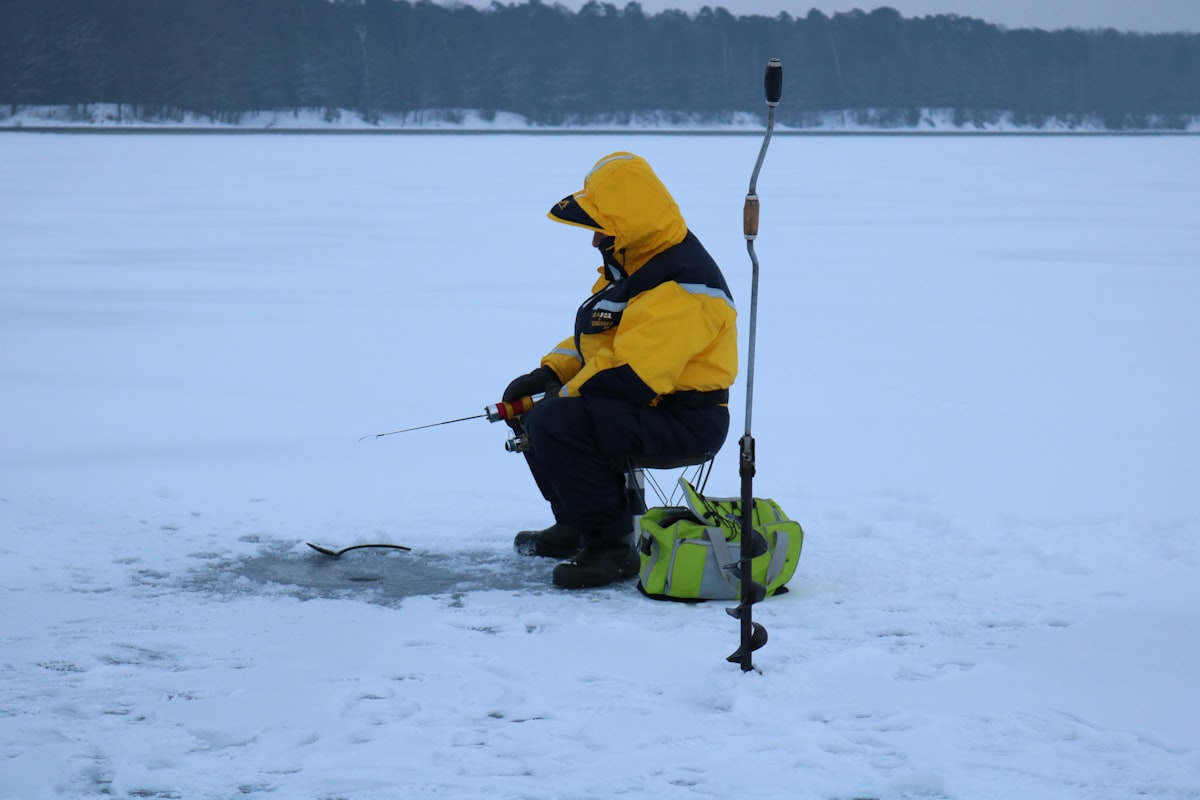
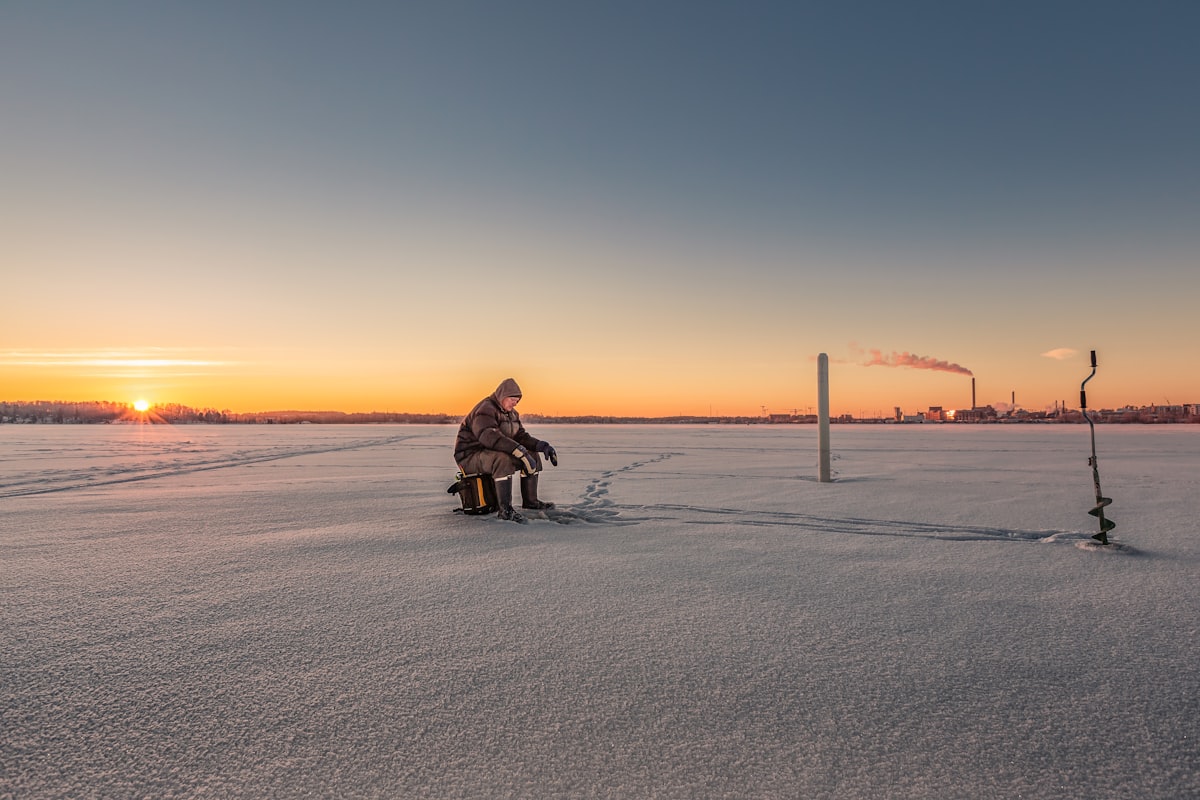
    A person fishing on a frozen lake at sunrise

    It is a fitting little subject for a local station: humble, affordable, and quietly effective, the sort of thing that gets swapped as a tip between neighbors. Grab a handful of tungsten jigs, find a quiet patch of ice, and you have got a cheap, meditative way to spend a cold afternoon — and maybe a story worth calling in.
  • Broadcasting From Anywhere: A Digital Nomad Packing List

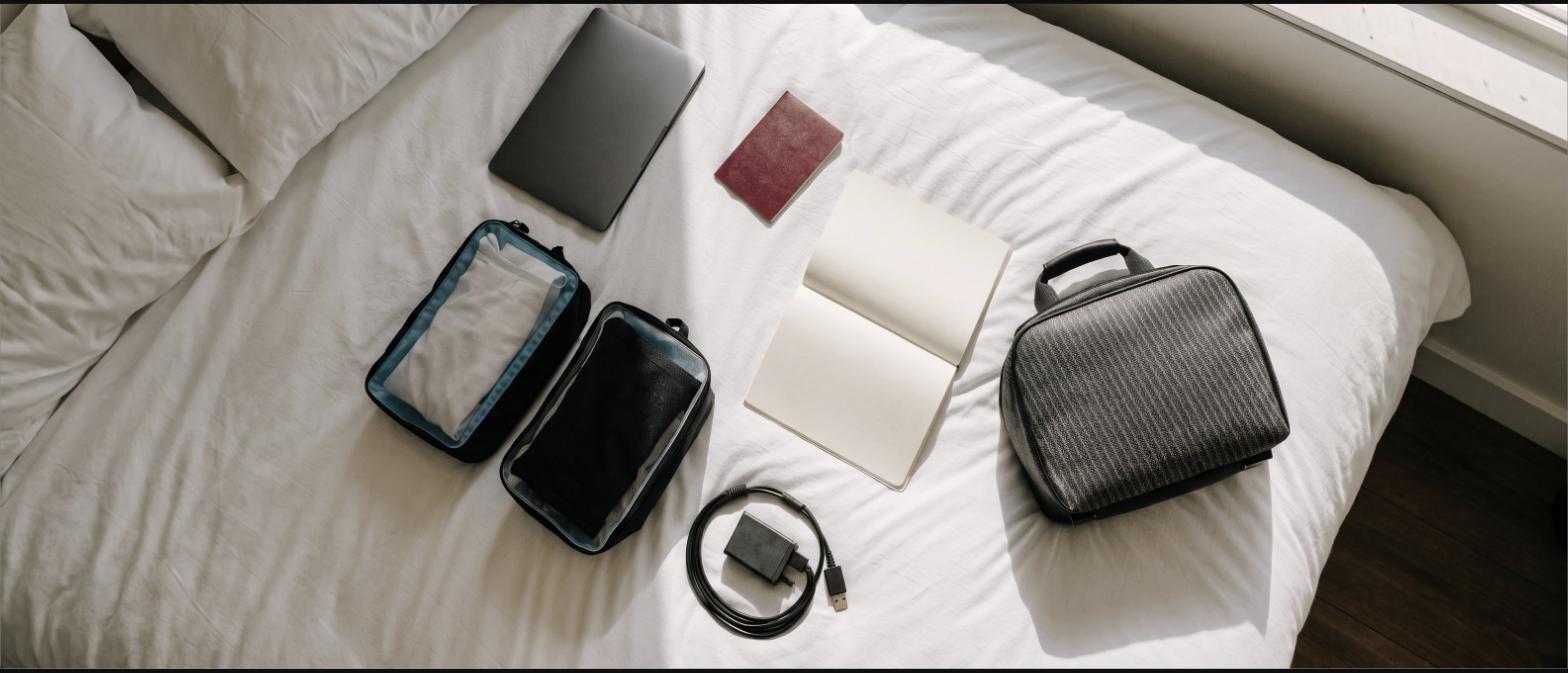
    Laptop, passport, packing cubes, charger and notebook laid out on a bed

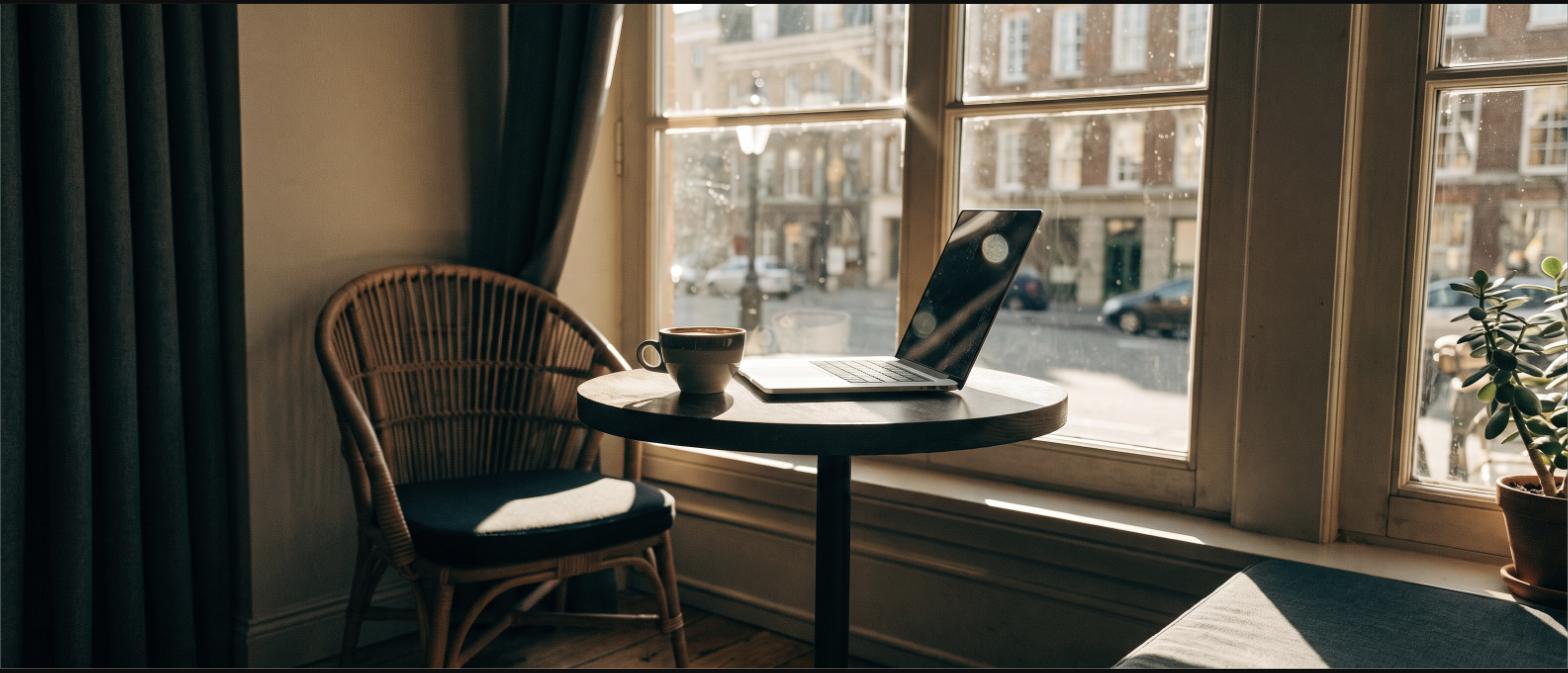
    One of the quiet advantages of internet radio is that the studio does not have to stay put. A station that broadcasts online is not tied to a transmitter and a tower, which means a host can file a segment from a spare room, a rented flat, or a table by a window in another country entirely. Plenty of small stations now run at least part of their schedule that way.

    If you are considering it, the hard part is not the broadcasting. It is deciding what actually goes in the bag.

    Start With the Constraint

    One bag, carry-on size. That is not minimalist posturing, it is practical: checked luggage gets lost, and a lost bag with your only microphone in it ends a trip’s worth of shows. If it will not fit in a 40 litre pack that you can lift into an overhead locker, it stays home.

    That constraint does most of the deciding for you. Everything after this is about what earns its space.

    The Kit That Actually Matters

    An open laptop and coffee cup on a small cafe table by a window

    A laptop, obviously, and a decent USB microphone, which is the one thing worth carrying weight for because listeners forgive a lot but not bad audio. Closed-back headphones, since open ones bleed into the mic. A short XLR or USB cable and a spare, because cables fail and replacing one abroad wastes a day.

    Then the unglamorous half: a universal power adapter, a multi-port charger so one socket serves everything, a power bank, and a phone with a data plan that can hotspot when the accommodation wifi turns out to be theoretical. Download an offline map and keep a copy of your key files locally rather than only in the cloud.

    For soft furnishing, a couple of thick jumpers double as sound damping. Recording inside a wardrobe full of clothes is an old trick and it genuinely works.

    Watch: the ultimate digital nomad packing list
    Watch: The Ultimate Digital Nomad Packing List – Minimalist Carry On Essentials (YouTube)

    Clothes, Briefly

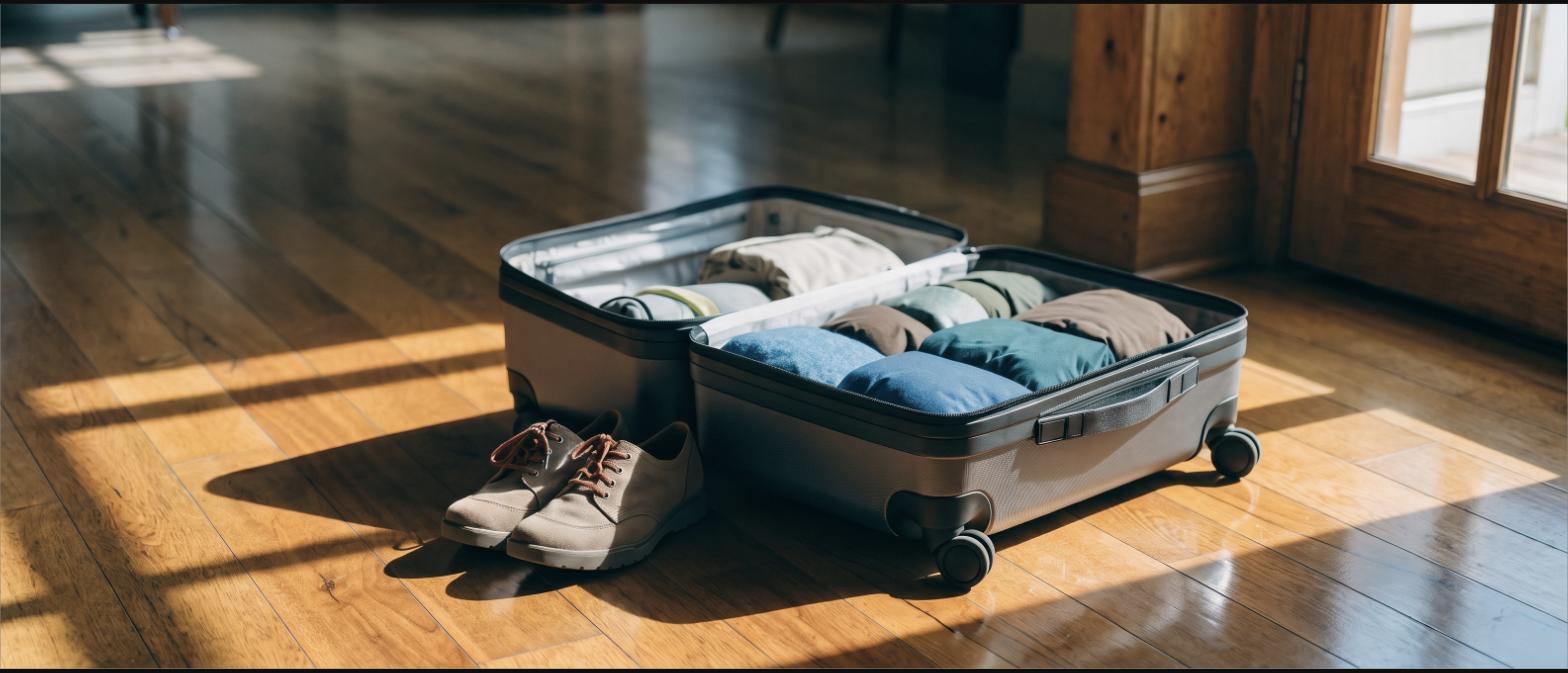
    An open carry-on suitcase packed with rolled clothes and packing cubes

    The standard advice is a week’s worth and a laundry habit, and it holds up. Merino wool is worth the price because it can be worn several days without smelling, which halves what you carry. One layer for warmth, one shell for rain, one set of clothes you would happily be seen in on camera.

    A well-organised digital nomad packing list built around slow travel is a better model than the two-nights-per-city version, because staying somewhere for a month means you can buy what you actually need rather than carrying every contingency.

    The Real Lesson

    Whatever you pack, you will come home having used about two thirds of it. The rest was insurance against situations that never happened.

    The thing worth protecting is the connection to your audience, and that is a microphone, a laptop and a reliable way online. Everything else is negotiable. Community radio has always been about doing a lot with modest equipment, and a bag on your back turns out to be a perfectly good studio.