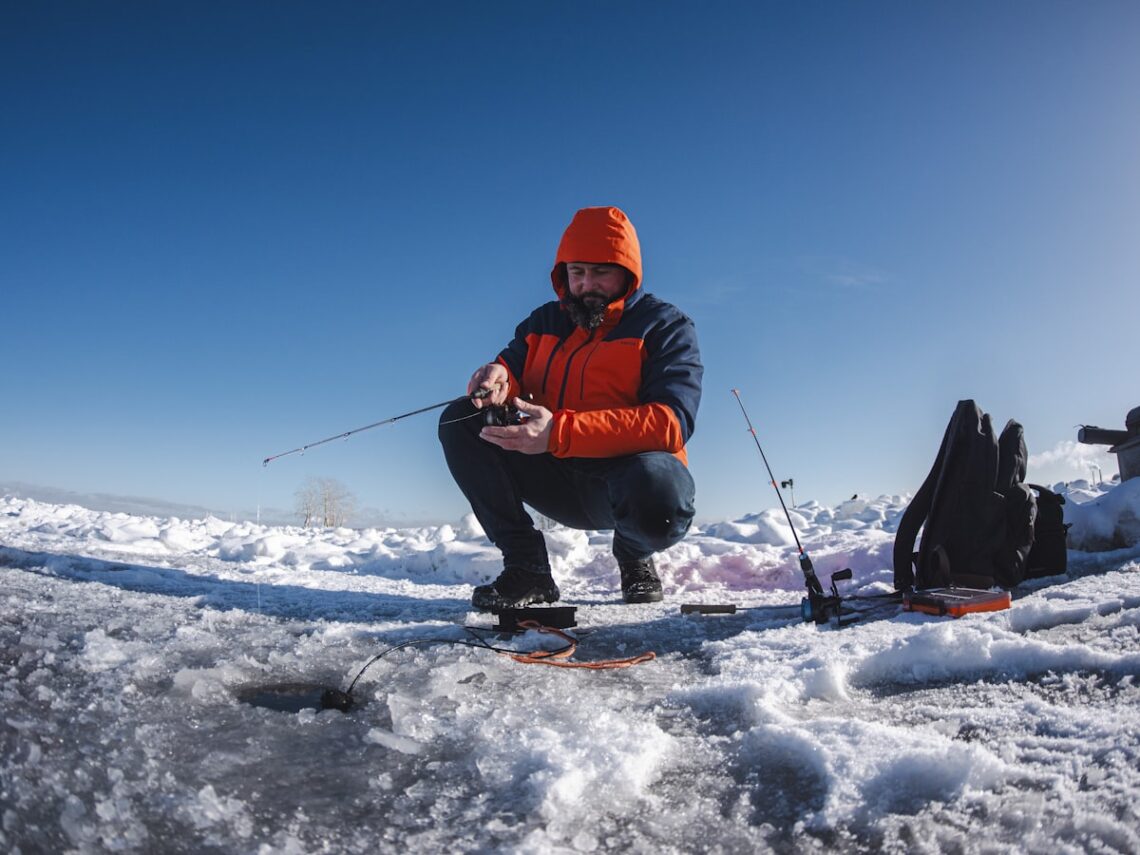
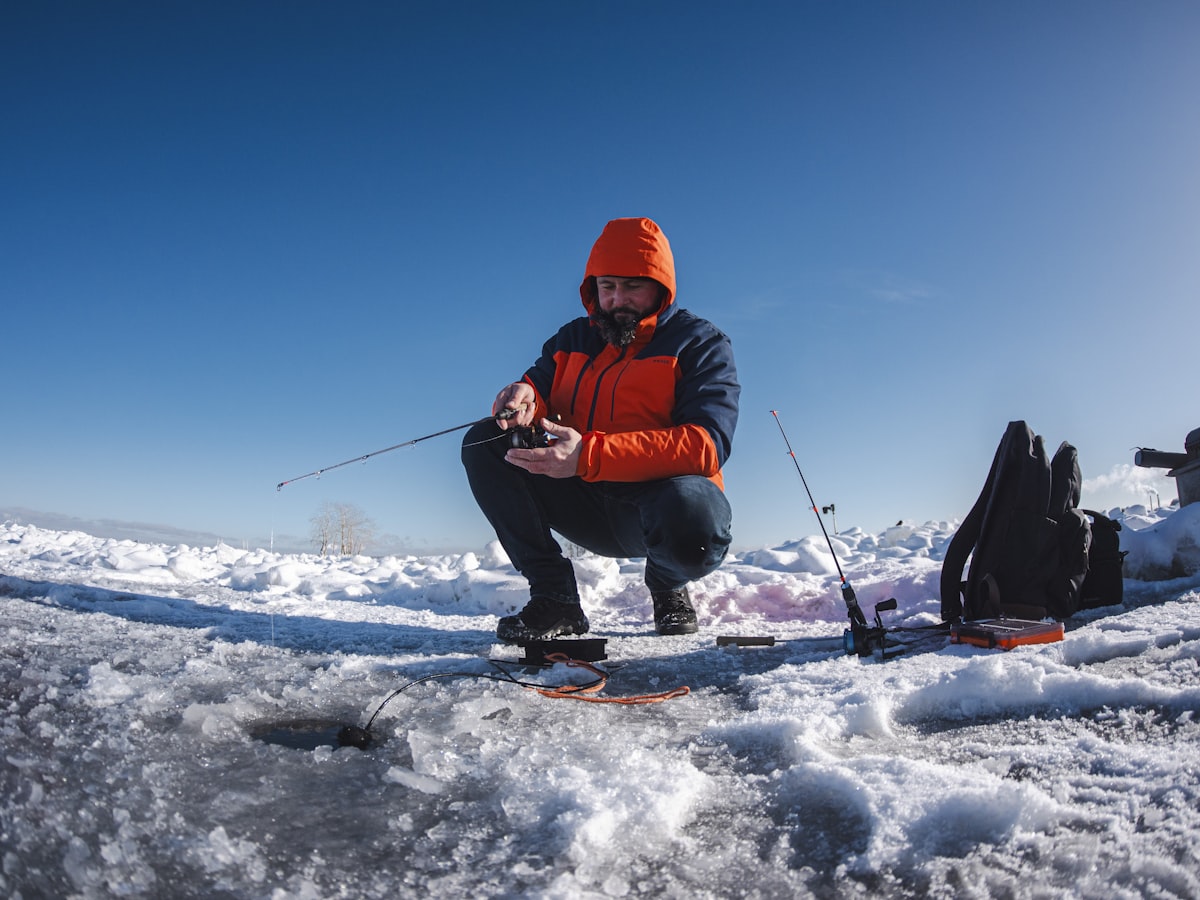
Community radio is really about the small, local things worth talking about — the hobbies, the seasons, and the stuff neighbors actually get up to. And when the lakes lock up for winter, one of those things is ice fishing. If we were cutting a winter outdoors segment, we would open with a piece of tackle that punches far above its tiny size: the tungsten jig.
What Makes Tungsten Different
The whole story is density. Tungsten is nearly twice as heavy as lead for the same size, which means a tungsten jig can be dramatically smaller while still carrying enough weight to fish well. That small profile matters under the ice, where finicky panfish are keying on tiny insects. You get the compact look of a natural bug with the sink rate and feel of a much larger jig.
Why Panfish Anglers Swear By Them

Three advantages stack up fast. The small silhouette fools pressured crappie and bluegill that ignore bulkier baits. The fast drop gets you back down to a school before the fish scatter. And because tungsten is so dense, it transmits the faintest bite straight up the line to your hand. A well-stocked box of tungsten jigs in a few sizes and colors covers most of what a hard-water day will throw at you.

Watch: Tips for Ice Fishing Panfish with Tungsten Jigs — Wired2Fish (YouTube)
Rigging and Working Them
Keep it light and sensitive. Two- to four-pound line, a limber rod, and a spring bobber or sensitive tip let the jig do its subtle work. Tip it with a wax worm, spike, or a small soft plastic, then jig gently — tiny lifts, quivers, and long pauses. Most winter bites are a barely-there tap, so watch closely and set the hook on anything that feels off.
Small Jig, Big Signal
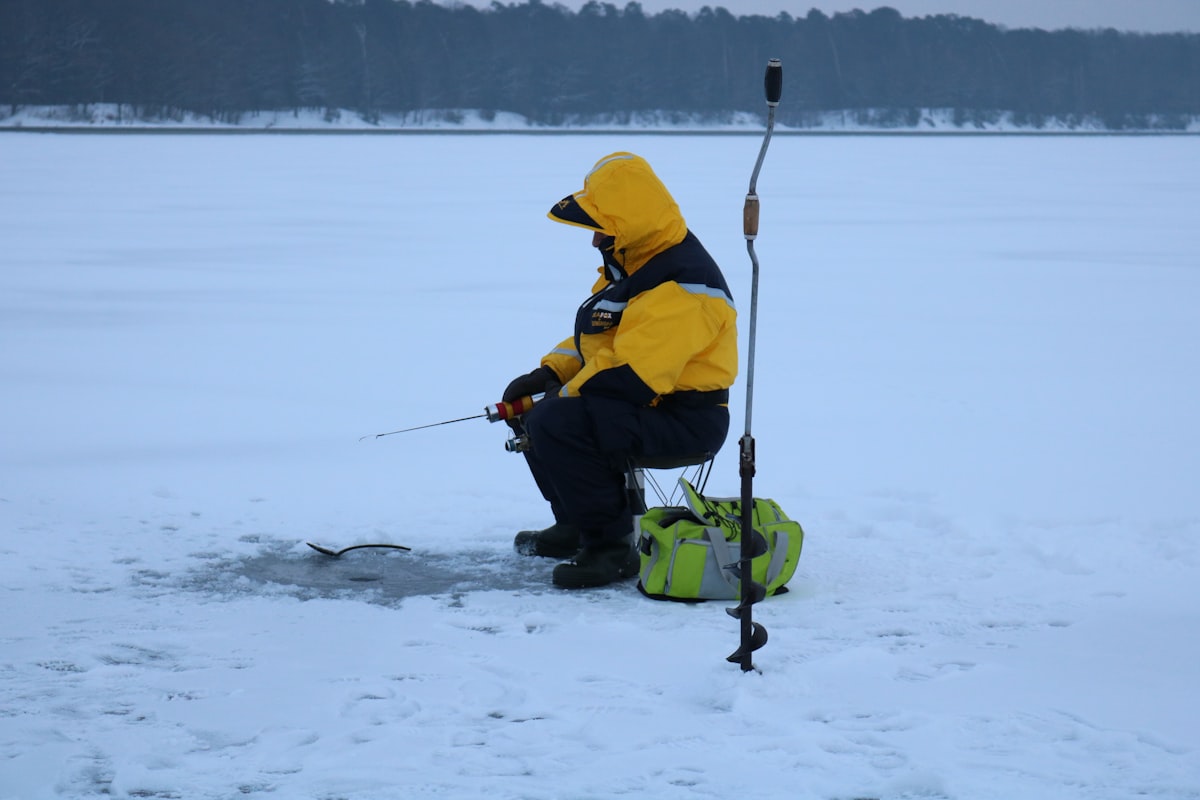
It is a fitting little subject for a local station: humble, affordable, and quietly effective, the sort of thing that gets swapped as a tip between neighbors. Grab a handful of tungsten jigs, find a quiet patch of ice, and you have got a cheap, meditative way to spend a cold afternoon — and maybe a story worth calling in.


